
Are you tired of your smartphone battery dying too quickly? Do you constantly find yourself tethered to a charger? You’re not alone. Many people experience frustration with their phone’s battery life, often unknowingly contributing to the problem through common smartphone charging mistakes. Understanding these charging mistakes and adopting proper smartphone charging habits can significantly extend your battery’s lifespan and keep your device powered up throughout the day. This article will explore some of the most frequent smartphone charging mistakes to avoid, offering practical tips to maximize your battery’s performance.
From leaving your phone plugged in overnight to using cheap, off-brand chargers, seemingly harmless habits can significantly impact your smartphone’s battery health. Ignoring these charging mistakes can lead to decreased battery capacity, slower charging times, and even overheating. By understanding the science behind proper smartphone charging and implementing a few simple changes, you can avoid these pitfalls and ensure your phone’s battery remains healthy and reliable for years to come. Let’s delve into the common charging mistakes that could be shortening your battery’s lifespan.
Using Cheap Charging Cables
While the allure of a bargain-priced charging cable can be strong, opting for cheap, low-quality cables can be detrimental to your smartphone’s battery and overall health. These cables often lack proper shielding and employ subpar materials.
This can lead to several issues, including slower charging speeds due to inefficient power delivery. More seriously, a cheap cable can overheat, posing a fire hazard. Damage to your phone’s charging port is another potential consequence.
It’s crucial to invest in certified cables from reputable manufacturers or those specifically recommended for your smartphone model. Look for cables made with quality materials and proper safety certifications. This small investment can protect your expensive device from long-term damage.
Letting Battery Drop to 0%
Contrary to popular belief, completely discharging modern lithium-ion batteries is detrimental to their lifespan. Deep discharges stress the battery and can reduce its overall capacity over time. While older battery technologies like nickel-cadmium benefitted from occasional full discharges, this is not the case with the batteries found in today’s smartphones.
Ideally, you should aim to keep your phone’s battery charge between 20% and 80%. This range minimizes stress and maximizes the lifespan of the battery. Allowing the battery to regularly deplete to 0% can lead to a phenomenon called “deep discharge stress,” which can permanently reduce the battery’s ability to hold a charge.
While it’s not the end of the world if your phone occasionally reaches 0%, making it a regular habit is definitely something to avoid.
Overcharging Overnight
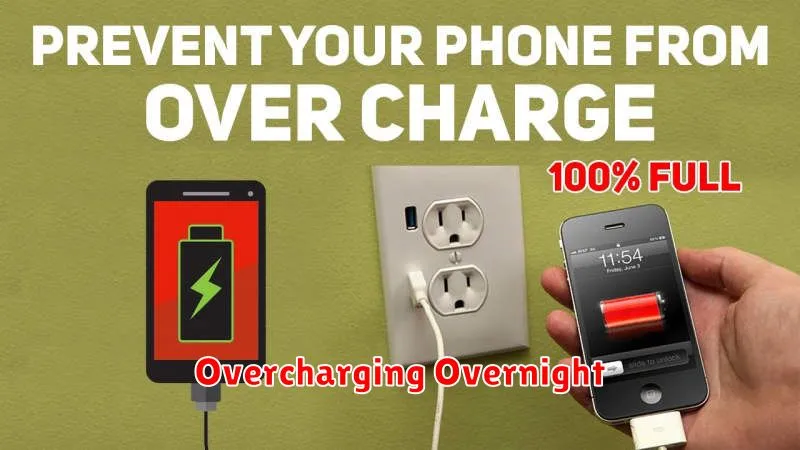
A common concern is whether leaving your phone plugged in overnight harms the battery. Modern smartphones utilize sophisticated charging circuitry that prevents overcharging once the battery reaches 100%. The phone stops drawing current, effectively eliminating the risk of overcharging in the traditional sense.
However, keeping the battery at a constant 100% state can contribute to long-term battery degradation. This is often referred to as “trickle charging,” where small amounts of current are used to maintain the full charge. While this effect is minimal, it can shorten the battery’s lifespan over an extended period.
It’s generally recommended to avoid consistently leaving your phone plugged in all night, every night. Instead, aim to charge it when needed and unplug it once it’s sufficiently charged, ideally before it reaches 100%.
Charging in Hot Environments
Exposing your smartphone to excessive heat while charging can significantly degrade battery health. High temperatures accelerate the chemical aging process within the battery, potentially leading to reduced capacity and lifespan. Avoid charging your device in direct sunlight, hot cars, or other excessively warm locations.
Optimal charging temperatures are generally between 20°C and 25°C (68°F and 77°F). If your phone feels hot to the touch while charging, disconnect it from the power source and allow it to cool down in a well-ventilated area. Using the phone while charging, especially resource-intensive applications, can also contribute to heat buildup. Consider refraining from extensive usage during charging sessions.
Using While Charging
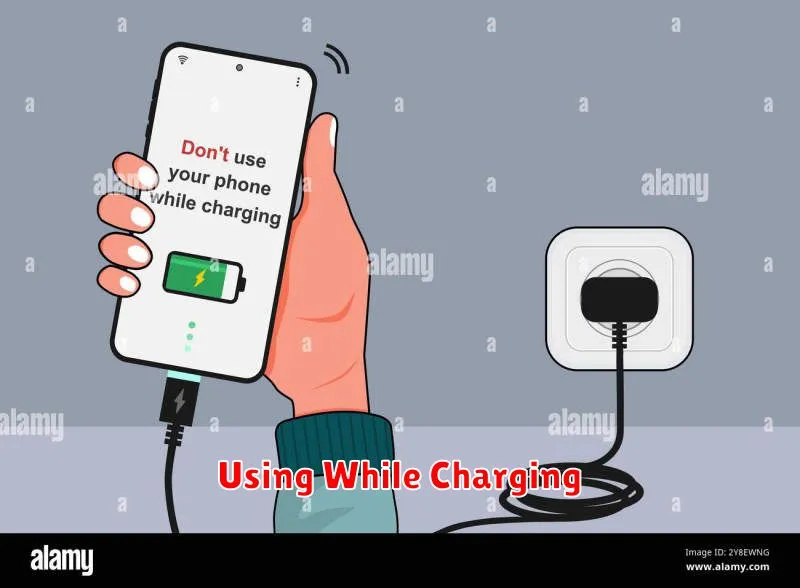
Using your smartphone while it’s charging is a common habit that can contribute to several negative consequences. While it might seem harmless to quickly check a message or browse social media while your phone is plugged in, this practice can generate excess heat.
Elevated temperatures can degrade battery health over time, leading to a reduced lifespan and decreased overall performance. Constantly charging while using the device also puts strain on the battery, potentially leading to premature wear and tear.
Although modern smartphones are designed to handle multitasking, minimizing usage while charging can help prolong battery life and ensure optimal device performance in the long run.
